
Squinting Helps :)
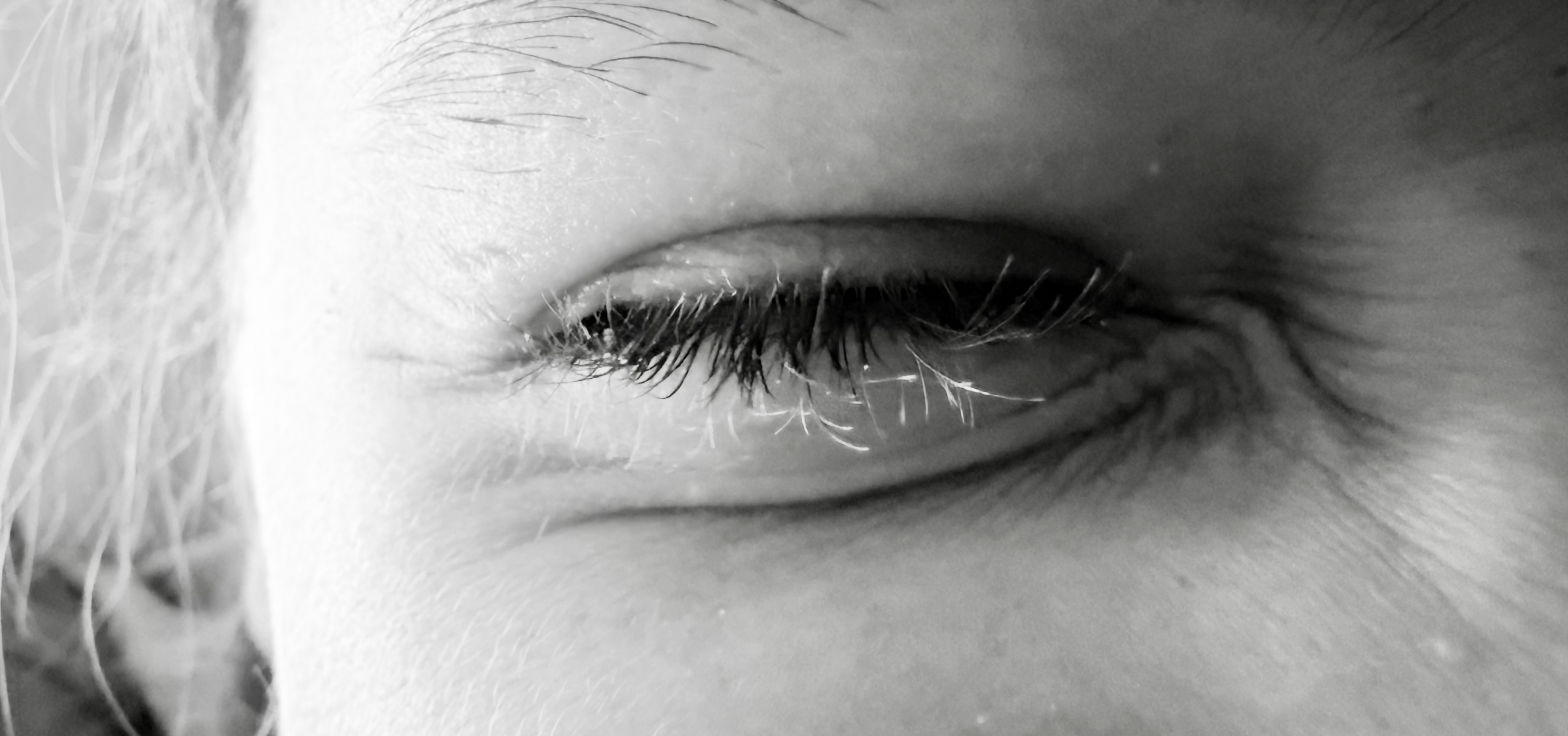
When I first started painting, I thought squinting was just something artists did to look serious. But it actually helps a lot. Squinting can make it easier to see the big shapes of light and dark in what you are painting. Instead of getting distracted by every tiny detail, your eyes kind of blur everything together, and you can see the main forms better.
When you look at something normally, it is easy to focus on little things, like eyelashes, small lines, patterns, or tiny color changes. But when you squint, those details disappear a little. What you see instead are the bigger shapes. You can notice where the darkest shadows are, where the light is hitting, and where the middle values are. This is really helpful because paintings usually look stronger when the big light and dark shapes are correct first.
Squinting also helps with value. Value means how light or dark something is. Sometimes a color might look really bright, but when you squint, you can see that it is actually not as light as you thought. Or a shadow might have color in it, but it is still darker than the area around it. Squinting helps you compare these things better.
This is important when you are trying to make something look three-dimensional. If you are painting a face, an apple, a flower, or even a cup, the lights and darks are what make it look like it has form. The light side shows where the light is hitting, and the dark side shows where the object turns away from the light. If you get those shapes right, the painting starts to look more real, even before you add details.
I also think squinting helps you not panic while painting. Sometimes a painting can feel messy in the middle, and you start trying to fix every little thing. But if you step back and squint, you can see what actually matters. Maybe the shadow shape needs to be darker, or maybe the highlight is in the wrong place. It helps you see the painting as a whole instead of only one small part.
A good way to use squinting is to look at your reference or subject, squint, and then look at your painting and squint again. Ask yourself: Are the dark shapes in the right place? Are the light shapes clear? Does the object look like it has form? You do not have to copy everything perfectly, but the big shapes should feel right.
Squinting is such a small thing, but it can make a big difference. It helps you see like an artist because you are looking for the simple shapes underneath all the details. So next time you are painting and something feels off, try stepping back and squinting. You might notice exactly what your painting needs.